At a glance
An unidentified skeleton in an octagonal tomb brings a 2,000-year-old murder mystery to life, linking the fate of Cleopatra’s sister to the rise of the Roman Empire.
Why go
It turns a cold-case investigation into a vivid portrait of power in the ancient Mediterranean, using forensic questions to explore the real lives of Cleopatra, Caesar, and Augustus.
You'll see
Forensic archaeological evidence · Ptolemaic Egyptian objects · Roman imperial portraits · The Gemma Augustea · Ancient inscriptions and funerary reliefs
Pace of visit
This is a dense, evidence-based show involving significant scientific analysis and historical reading alongside the artworks.
Don't miss
The Gemma Augustea, a masterpiece of Roman propaganda carved from precious stone that celebrates the imperial authority of Augustus.

Artlovers Tip
Look closely at the labels for words like "possibly" or "attributed to"—these indicate where the archaeological proof remains open to debate. Remember that this show is located in the Neue Hofburg complex on Heldenplatz, not the main KHM building.
Inside the exhibition
Crime Scene Ephesus: Cleopatra and Rome at the Neue Hofburg in Vienna, Austria, centers on a century-old archaeological puzzle. The discovery of a skeleton inside a unique octagonal tomb in Ephesus suggests the final resting place of Arsinoe IV, Cleopatra’s sister and rival. This exhibition uses that mystery to re-examine the violent power struggles and political shifts that defined the ancient Mediterranean.
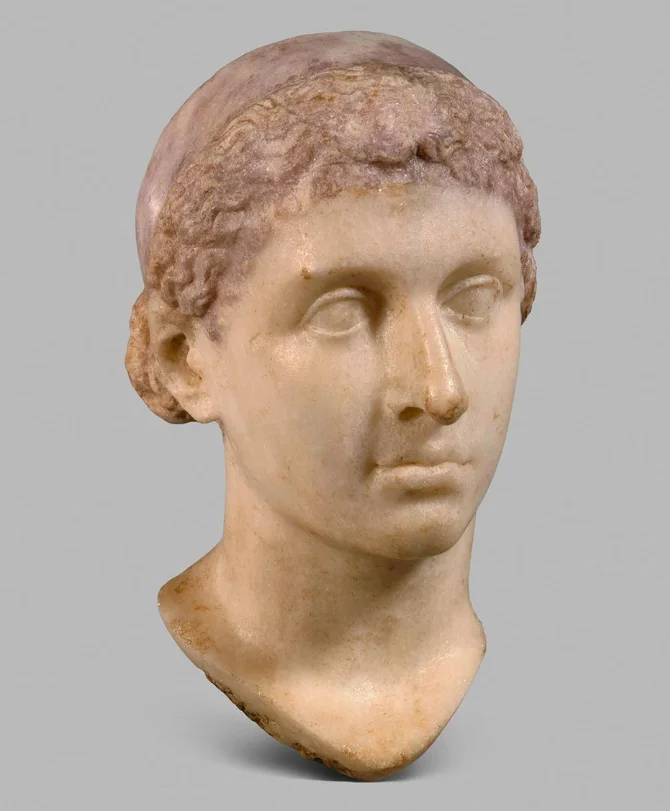
The display brings together scientific research and international loans with sculptures, manuscripts, and funerary reliefs from the Kunsthistorisches Museum. Visitors can examine evidence from the Octagon tomb alongside portraits of the era’s key players, including Julius Caesar and Mark Antony. A central highlight is the Gemma Augustea, a renowned Roman cameo that illustrates the transition from the Hellenistic world to imperial rule.
By treating archaeology as a forensic investigation, the show moves past the romantic legends of Cleopatra to focus on material facts. It highlights how identity and status were constructed through monuments and symbols during the birth of the Roman Empire. The experience offers a rare look at the uncertainties of historical research, showing where hard evidence ends and interpretation begins.
Worth travelling for?
A rewarding visit for those who enjoy historical detective work and want to see Roman political history through the lens of concrete evidence.
Experience as an Artlover
The exhibition is open Tuesday to Sunday from 10:00 to 18:00, with late opening until 21:00 on Tuesdays. Timed-entry tickets are required, and admission includes access to the Weltmuseum Wien and the Imperial Armoury.
Crime Scene Ephesus: Cleopatra and Rome
Admission
Artlovers relevance
On view at
Kunsthistorisches Museum
Vienna, Austria
On the art routes Kunsthistorisches Museum and Albertina
Hours & rating from Google