At a glance
The Swiss artist’s first major Italian retrospective uses paintings and drawings to place vulnerable figures inside unsettling, room-sized installations that question how we view others.
Meet the artist
Why go
This survey explores the tension of the gaze, transforming political and intimate subjects into a confrontational experience that challenges the observer’s comfort through large-scale spatial arrangements.
You'll see
Herumliegen · Familienraum · Figurative paintings · Large-scale drawings · Spatial installations
Pace of visit
The emotional weight and immersive layout require a deliberate pace rather than a quick walkthrough.
Don't miss
The spatial groupings designed with Didier Fiúza Faustino, which physically dictate how you approach the paintings.

Artlovers Tip
Allow for reflection time after exiting; the psychological intensity of these works makes this a difficult show to process if rushed as part of a longer itinerary.
Inside the exhibition
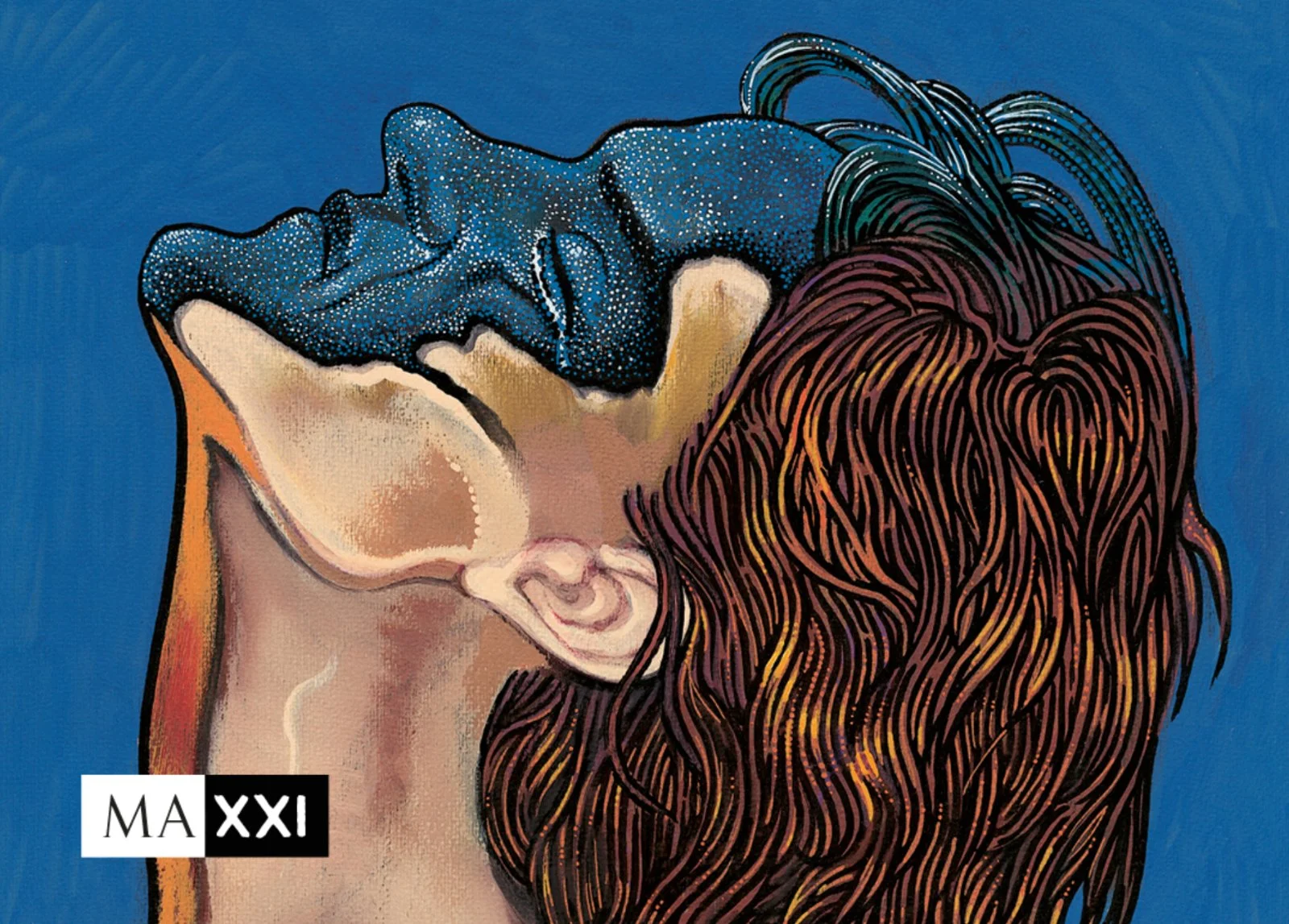
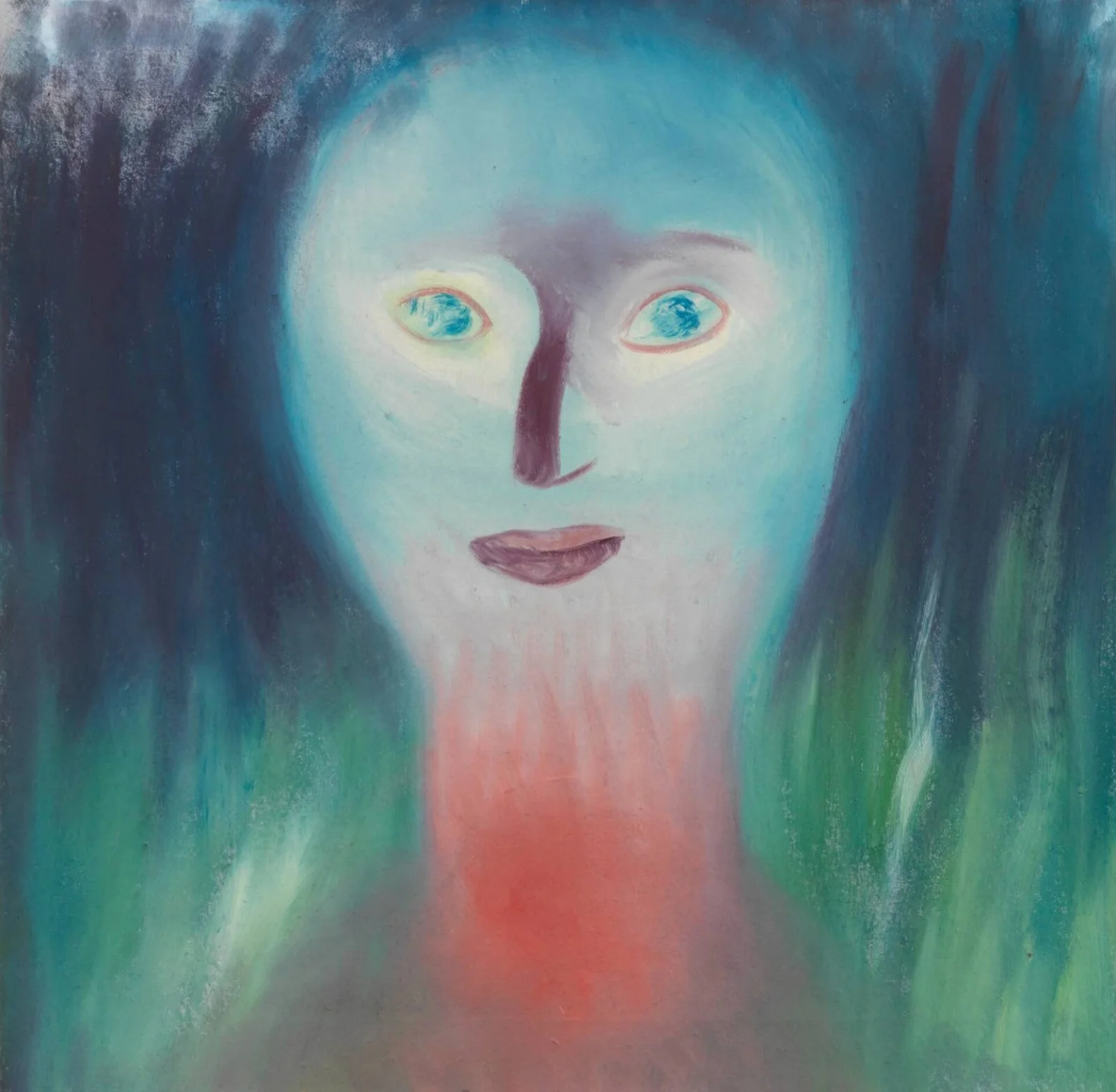
Ciò che mi guarda — Miriam Cahn at MACRO in Rome, Italy, marks the first significant Italian museum retrospective dedicated to the Swiss artist. The exhibition focuses on the representation of the human form, placing vulnerable, often spectral bodies within environments that bridge the gap between private intimacy and global politics.
The presentation includes a wide range of paintings and drawings, featuring key works such as Herumliegen and Familienraum. The display is defined by specific spatial groupings developed in collaboration with Didier Fiúza Faustino, turning the gallery rooms into immersive containers for Cahn’s visceral figurative style.
By moving beyond traditional wall-hanging, the retrospective highlights Cahn’s commitment to feminist and political discourse. It offers a rare chance to see how her unsettling imagery functions within a structured architectural context, forcing a direct and ethically complex encounter with the subjects on display.
Worth travelling for?
An intense and uncompromising retrospective for visitors interested in the intersection of feminist body politics and contemporary figurative painting.