At a glance
Long before LEGO dominated play, a century of building sets used everything from artificial stone to rubber to teach children how to assemble the modern world.
Why go
This is a hands-on laboratory where you can test rare historical building systems that vanished once the interlocking brick became the industry standard, moving beyond nostalgia into material engineering.
You'll see
40 historical building kits · Rare components made of Galalith and metal · Original packaging and models · Eight interactive construction stations · Immersive virtual-reality architectural experience
Pace of visit
The mix of historical displays and interactive building areas requires extra time for experimentation, especially when visiting with children.
Don't miss
The Austrian Ingenius kit from the 1920s, a rare example of a modular system that attempted to capture the era's architectural logic.

Artlovers Tip
Start in the historical galleries to understand how the materials evolved before heading to the interactive stations; physically testing the connections helps clarify the engineering challenges shown behind the glass.
Inside the exhibition
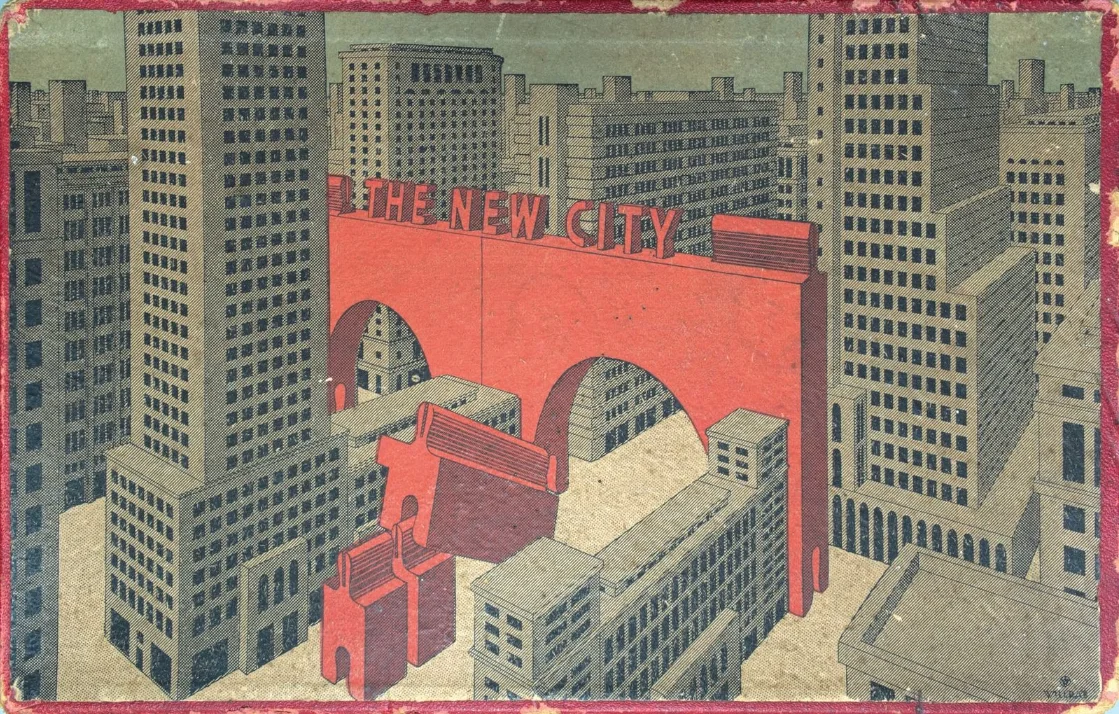
Architectural Construction Kits 1890–1990: Plenty to Play With! at the MAK – Museum of Applied Arts in Vienna, Austria, examines the evolution of the building block. Drawing from graphic designer Claus Krieger’s extensive collection, the exhibition displays how modular toys served as miniature laboratories for urban design and structural engineering throughout the 20th century.
The display features approximately 40 kits made from diverse materials including wood, metal, rubber, and early plastics like Galalith. Visitors can examine the instructions and packaging of systems like the French Les Bois de Megève or East Germany’s modular Plaspi blocks, alongside enlarged replicas that illustrate how different components were designed to stack, screw, or slot together.
Curated by Oliver Elser, the show highlights how these objects documented changing visions of the city before LEGO standardized the market. By including eight hands-on stations and a virtual-reality component, the MAK allows visitors to move beyond passive viewing and physically test the structural logic that shaped generations of future architects.
Worth travelling for?
A rewarding, tactile experience for anyone interested in industrial design and the engineering behind the objects that shaped our early spatial thinking.
Experience as an Artlover
The museum is open Tuesday to Sunday, with extended hours and reduced admission on Tuesday evenings from 18:00 to 21:00. Admission is free for visitors under 19.
Architectural Construction Kits 1890–1990: Plenty to Play With!
Artlovers relevance
On view at
Hours & rating from Google